
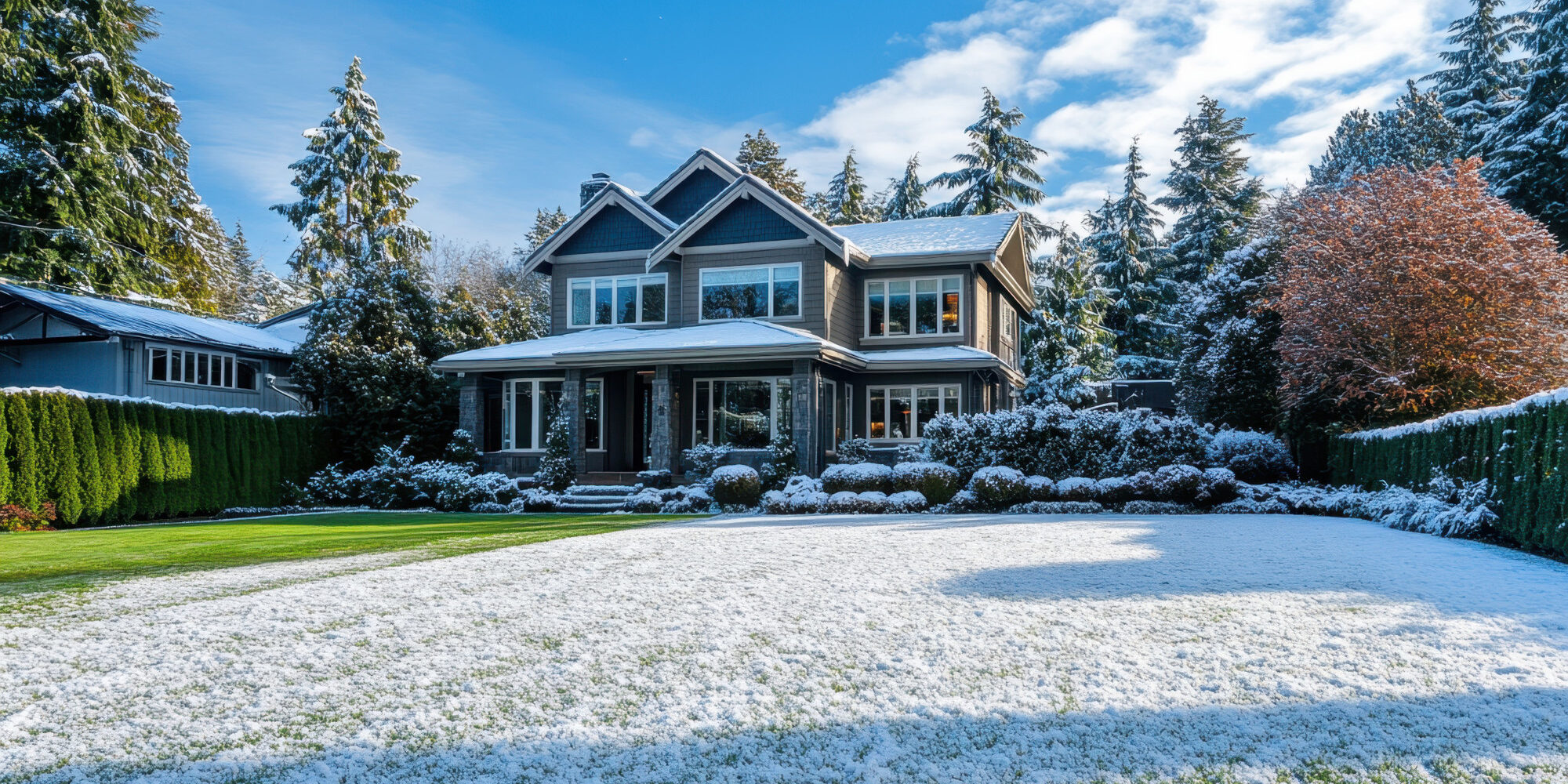
When winter ice finally melts, it doesn’t just reveal damage—it reveals opportunity. Freeze-thaw cycles stress nearly every exterior surface, and early spring is when homeowners start noticing what winter left behind. This is the ideal season to hire a trusted home painter and remodeler to inspect, educate, and plan smart-value and home-preservation projects before summer demand peaks.
1. Surface Failures Tell a Story—Don’t Paint Over It
Peeling, bubbling, or flaking paint after winter is rarely just cosmetic. Ice and moisture often infiltrate behind paint films, breaking adhesion from the inside out.
What to look for:
- Blistering near trim, soffits, and fascia.
- Peeling at horizontal joints and lap siding.
- Paint failure beneath eaves where ice dams formed.
Repainting a home without first correcting moisture intrusion is one of the fastest ways to shorten a paint job’s lifespan. Paint is designed to protect surfaces, but it cannot stop active water problems. When moisture enters through failing gutters, damaged flashing, cracked siding, or deteriorated caulk, it becomes trapped behind the paint film. Over time, that trapped moisture pushes outward, causing bubbling, peeling, flaking, and premature paint failure—sometimes in as little as one or two seasons.
Homeowners are often frustrated when “new” paint fails quickly, not realizing the issue isn’t the paint quality or the painter’s workmanship, but the condition of the underlying surface. Moisture breaks the bond between paint and substrate. Even the best primers and premium exterior paints cannot adhere properly to damp or compromised materials.
That’s why professional painters and remodelers stress fixing the source of moisture before repainting. Addressing issues like poor drainage, rotted trim, open joints, ice-dam damage, or failed sealants allows surfaces to fully dry and stabilize. Once moisture intrusion is resolved, the right primers and paints can do what they’re meant to do—adhere properly, flex with temperature changes, and protect the home for years rather than months.
At My Three Sons, we educate homeowners on this process, setting realistic expectations and protecting their investment. A paint job done over unresolved moisture problems may look good initially, but it almost always leads to callbacks, repeat repairs, and higher long-term costs. Taking the time to fix moisture issues first results in longer-lasting finishes, better curb appeal, and a home that stays protected through every season.
2. Trim, Fascia & Soffits Take the Biggest Winter Hit
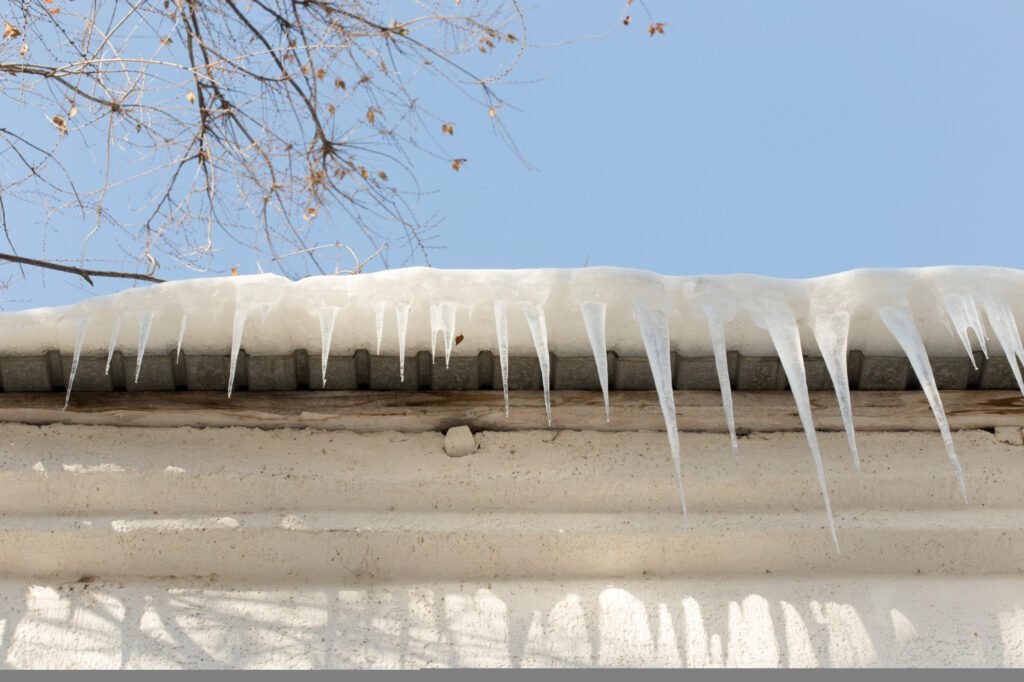
These areas absorb repeated moisture exposure during winter and are often the first to rot—even if damage isn’t obvious at a glance.
Ideal spring services include:
- Selective wood trim replacement.
- PVC or composite upgrades for trim, soffits, posts, or columns.
- Fascia board repair prior to repainting.
If you’ve found yourself repainting every few years, the problem often isn’t the paint—it’s what’s underneath it. Paint lasts longer when it’s applied to a solid, stable surface. When wood is soft, trim is starting to rot, or moisture has weakened siding, paint can’t properly bond and will fail much sooner than expected. Taking the time to repair and reinforce the underlying surfaces before repainting creates a stronger foundation for the paint to adhere to, helping it hold up against weather, moisture, and seasonal temperature changes. While this approach may take a little more effort upfront, it saves homeowners money and frustration in the long run by delivering a finish that truly lasts.
3. Caulk & Sealant Failures Appear Everywhere After Freeze-Thaw Cycles
Cold temperatures cause caulk to contract and crack, especially at window, door, and siding transitions.
Check for:
- Split or missing caulk lines.
- Gaps at dissimilar materials (wood to masonry, siding to trim).
- Hardened, brittle sealant that no longer flexes.
Why it matters: Failed caulk allows moisture behind siding and trim—leading to paint failure and hidden rot.
Spring is the perfect time to re-caulk before repainting. Fresh caulk seals small gaps around windows, doors, trim, and siding that allow moisture and air to sneak in. When re-caulking is paired with repainting, it creates a tighter, more durable protective layer that helps the caulk and paint last longer and reduces drafts. The result is a home that looks better, stays better protected, and is more energy efficient year-round.
4. Siding Damage Is Often Subtle—but Costly If Missed
Ice expansion can crack vinyl, split wood siding, or loosen fasteners—especially on shaded elevations.
What professional remodelers should look for:
- Hairline cracks near fasteners.
- Warping or cupping boards.
- Shingles coming loose or missing.
- Soft spots, indicating trapped moisture.
Spring is the best time to address minor siding issues before they become major repairs. Minor cracks, loose pieces, or early signs of moisture damage can often be fixed quickly and affordably now. Taking care of these small siding repairs early helps prevent water intrusion, hidden rot, and the need for full panel replacement later—saving money and protecting your home’s exterior for years to come.
5. Decks, Porches & Railings Need Attention Before Entertaining Season
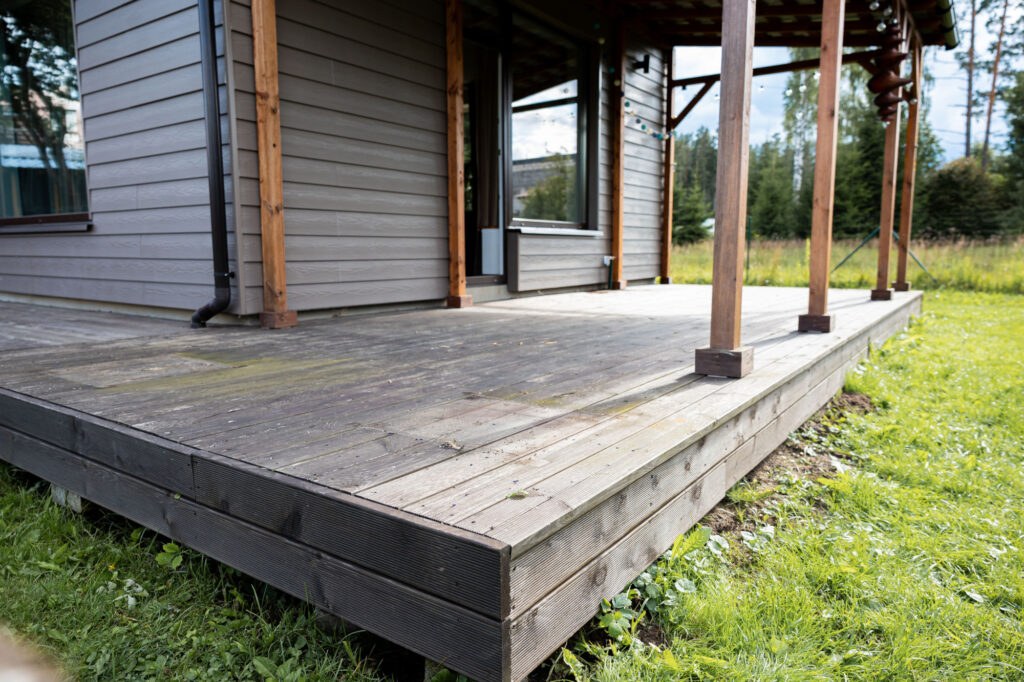
Winter moisture accelerates rot on horizontal surfaces and railing posts, especially when snow or ice has accumulated on them over the winter.
Early spring checks:
- Soft and splitting deck boards.
- Loose or rusted fasteners.
- Paint or stain failure deck boards, steps, and handrails.
Before refinishing decks, porches, or railings, it’s best to address all needed repairs first. Fixing loose boards, weakened railings, or early rot ensures the surface is safe, stable, and ready to hold stain or paint properly. Homeowners appreciate this honest approach because it leads to safer outdoor spaces and a finish that lasts longer, rather than covering up problems that could return later or pose a safety hazard, especially for children’s bare feet in the summer.
6. Interior Clues Often Trace Back to Exterior Failures
Water intrusion from ice dams or exterior gaps often shows up indoors once temperatures rise.
Watch for:
- Ceiling stains near exterior walls.
- Bubbling interior paint.
- Soft drywall around windows.
Interior damage, such as stains, bubbling paint, or soft drywall, often starts with an exterior issue, such as failed caulking, damaged siding, leaking gutter joints, or poor drainage. When those exterior causes are identified and addressed—not just the visible interior damage—it leads to longer-lasting repairs and fewer repeat problems. Fixing the root issue helps protect your home as a whole, not just patch what you can see.
7. Spring Is the Best Time to Educate (Not Just Estimate)
Spring is the perfect time for homeowners to take a walk-around inspection of their property. Why?
- Damage can be visible.
- Tax refunds are on the way.
- You can get your projects done before summer, in time to relax and enjoy!
When a professional walks your property with you, they’re able to point out not just what’s visible, but why it’s happening. Stains, peeling paint, or cracks often have underlying causes that aren’t obvious without experience. A guided walkthrough helps homeowners understand where problems start and how to fix them correctly the first time, leading to smarter decisions, fewer surprises, and repairs that truly last.
Set the Foundation for a Strong Season
For painters and remodelers, post-winter inspections aren’t just about discovering existing problems—they’re about preventing repeat failures. Addressing moisture, substrate integrity, and prep work now leads to longer-lasting results, happier customers, and fewer callbacks.
Spring doesn’t just start the busy season—it sets the standard for the work that follows.
Time to give us a call?
You can reach our scheduling team by phone 24/7 at 859-321-7344.
Or you can schedule your own appointment online at https://mythreesonspainting.com/request-a-quote/
We hope to serve you and protect your home soon.